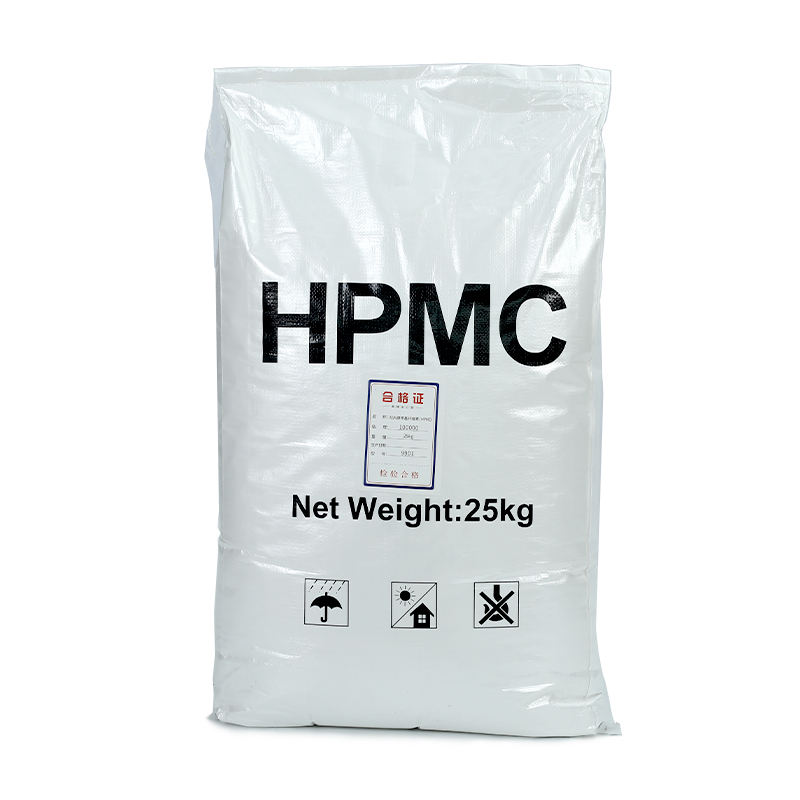


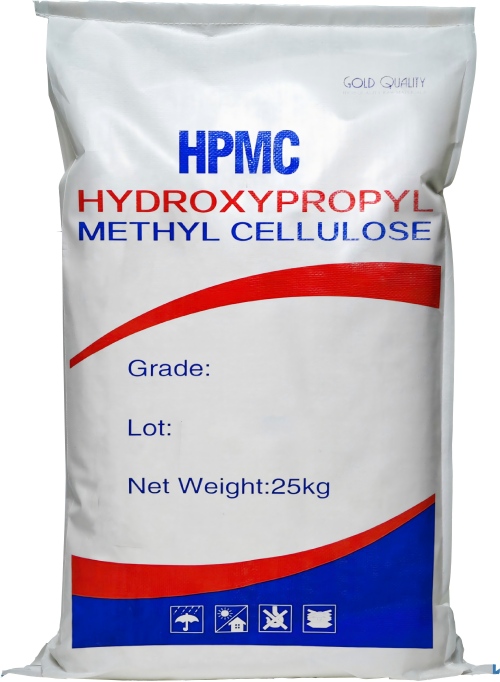
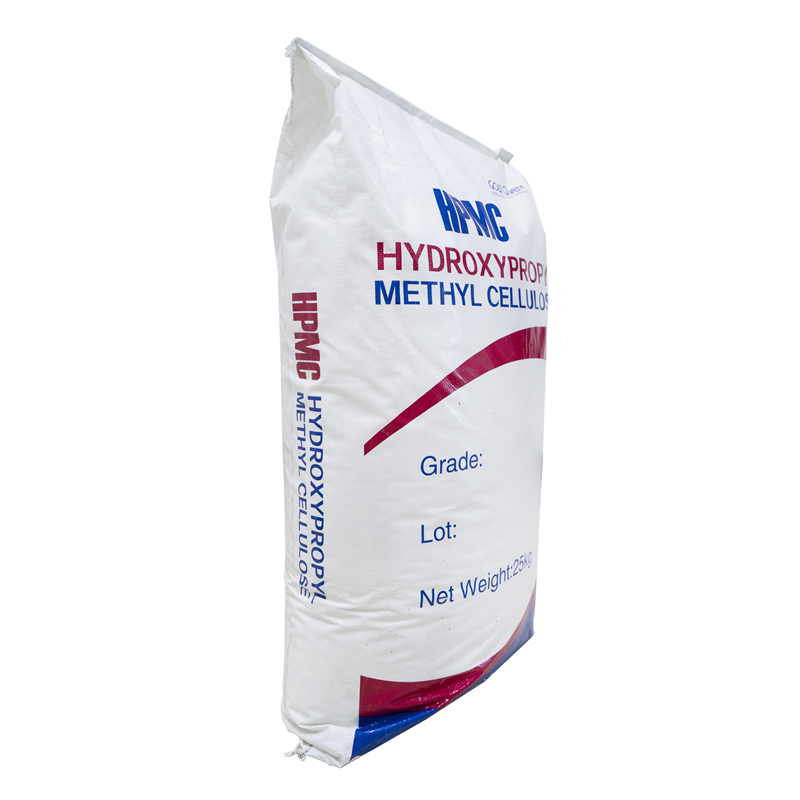
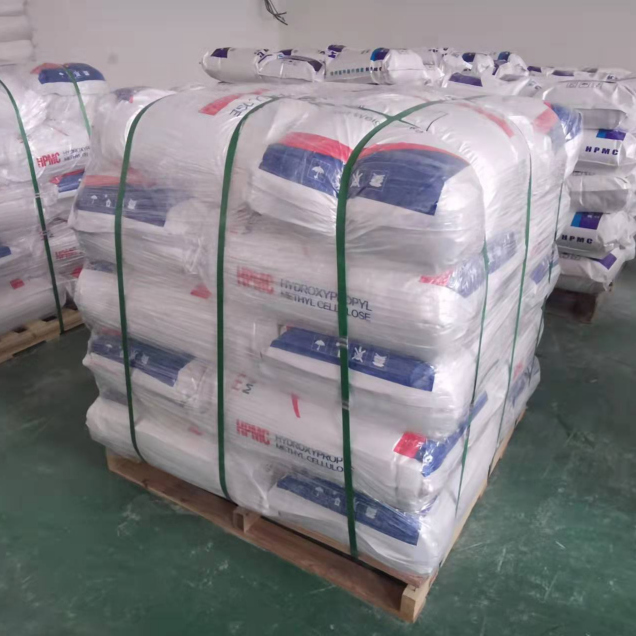
Construction Grade HPMC For Masonry Mortar
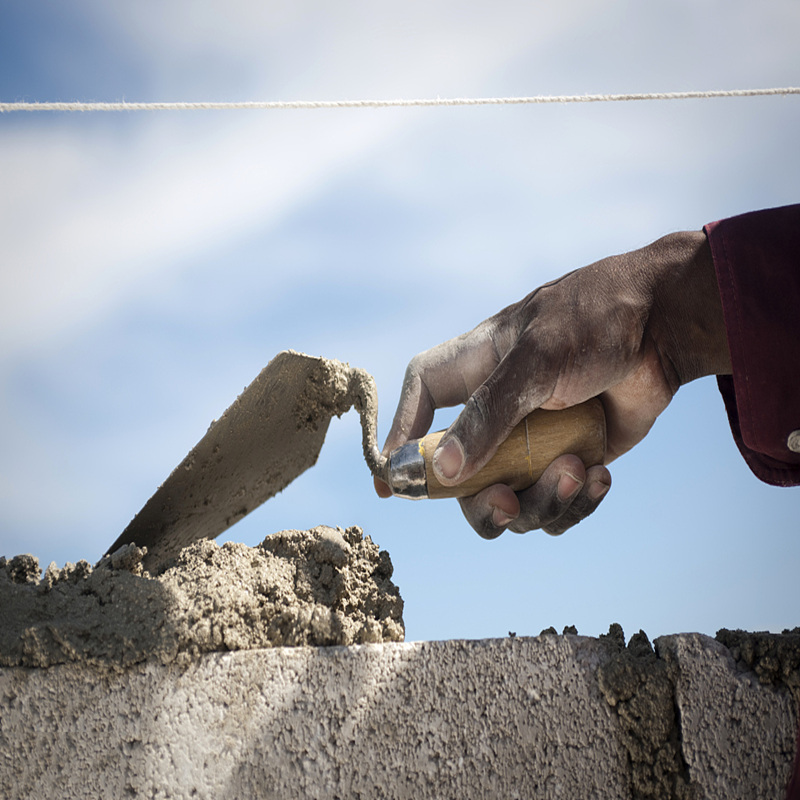
Hydroxypropyl methylcellulose (HPMC) is an indispensable and key functional additive in masonry mortar. It improves mortar properties through physical action. Although added in very small amounts (typically 0.1‰ to 0.3‰ of the total mortar weight), it can have a decisive impact on the efficiency, quality, and ultimate strength of the masonry project. Its mechanism of action is that HPMC forms a colloid upon dissolution in water. This colloid modifies the viscosity of the aqueous phase and adsorbs on the surface of cement particles, thereby optimizing the performance of the entire mortar system.
- HAOSHUO
- Hebei, China
- 2-7 days
- 200 tons per day
Product Detail
HPMC For Masonry Mortar
HPMC for Masonry Mortar Description:
HPMC (Hydroxypropyl Methylcellulose) for masonry mortar is a non-ionic cellulose ether whose primary functions are water retention, thickening, and the improvement of workability and bond strength; typically added at a dosage of 0.1%–0.3% (based on the weight of cement), it serves as a key additive in dry-mix masonry mortars.
I. Basic Characteristics
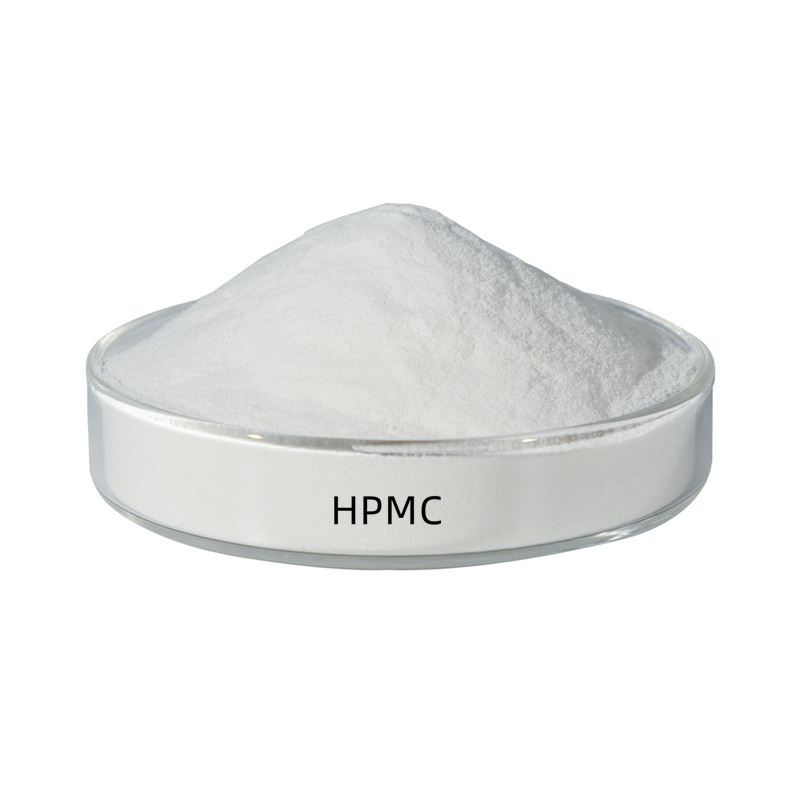
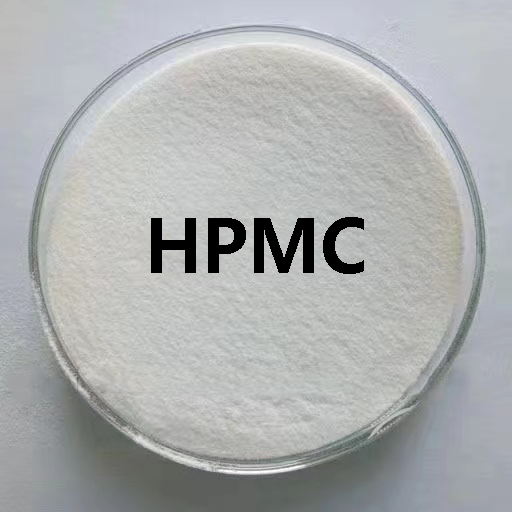
Appearance: White or off-white powder; odorless, tasteless, non-toxic, and environmentally friendly.
Structure: Natural cellulose modified via etherification; exhibits excellent water solubility and is soluble in cold water (fast-dissolving type).
Core Performance:High water retention, thickening, thixotropy, retardation, and bond enhancement.
II. Core Functions in Masonry Mortar
Superior Water Retention (Most Critical)
Forms a stable water film to lock in moisture, preventing it from being rapidly absorbed by porous bricks/blocks or evaporating under high temperatures.
Ensures complete cement hydration and stable strength, thereby preventing cracking, hollowing, and strength regression caused by water deficiency.
Water retention rate ≥ 88% (≥ 95% for premium grades); remains stable even in high-temperature and dry environments.
Thickening and Anti-Sagging
A small dosage provides significant thickening effects, imparting moderate viscosity and thixotropy: easy to trowel during application, yet remains stationary—without flowing or sagging—when at rest.
Improves workability and reduces bleeding and segregation; prevents mortar slippage during vertical masonry construction, ensuring uniform thickness.
Extended Open Time
Slows down moisture loss and extends the workable time (from tens of minutes up to 2–3 hours), facilitating large-area masonry construction and allowing for easy adjustment of block positions.
Enhanced Bonding and Durability
Increases both the initial adhesion and ultimate bond strength between the mortar and the bricks/blocks, thereby minimizing hollowing and detachment.
Optimizes internal structure, reduces drying shrinkage, and enhances freeze-thaw resistance and overall durability.
III. Key Technical Specifications (Selection Criteria)
Viscosity (2% aqueous solution, 25°C): Medium viscosity (10,000–15,000 mPa·s) is typically used for masonry mortars; low viscosity (400–1,000) is used for self-leveling applications, while high viscosity (>20,000) is used for thick-bed or anti-sagging applications.
Fineness: ≥ 98% passing through an 80-mesh sieve; finer particles dissolve faster, disperse more uniformly, and are less prone to clumping.
Purity: Ash content ≤ 5% (≤ 3% for premium grades); moisture content ≤ 6%; pH 5.0–9.0; does not interfere with cement hydration.
Degree of Substitution: The ratio of methoxy to hydroxypropyl content determines water retention and thermal stability; a higher hydroxypropyl content results in superior water retention.
IV. Recommended Dosage and Application
Dosage: Masonry Mortar: 0.1%–0.3% (based on cement weight); Plastering Mortar: 0.1%–0.2%; Tile Adhesive: 0.2%–0.5%.
Application: For dry-mix mortars, blend directly into the mixture (fast-dissolving grades—which disperse rapidly in cold water—are preferred). For on-site mixing, dry-blend the HPMC with the cement and aggregates *before* adding water to prevent clumping.
V. Advantages and Precautions
✅ Advantages: Low dosage requirements with significant performance enhancement; eco-friendly and non-toxic; highly compatible with various systems; significantly improves construction efficiency and project quality.
⚠️ Precautions: HPMC does *not* directly increase compressive strength; strength remains dependent on the water-to-cement ratio and the cement grade. Excessive dosage may result in excessive viscosity, difficulty in application, and/or excessive retardation of setting time.